Introduction
Continuous High-Speed 3D Printing
Our technology is based on continuous photopolymerization, an advanced evolution of traditional DLP printing. By utilizing a crytal clear, specialized porus window as the bottom layer of the resin tank, both light and oxygen can pass through simultaneously.The controlled oxygen flow creates a microscale liquid interface that prevents the cured resin from sticking to the tank bottom. This enables smooth, uninterrupted growth of the printed part, eliminating the slow peel-off step of conventional DLP. The result is a printing speed even faster than first-generation continuous 3D printing systems, along with guaranteed precision.
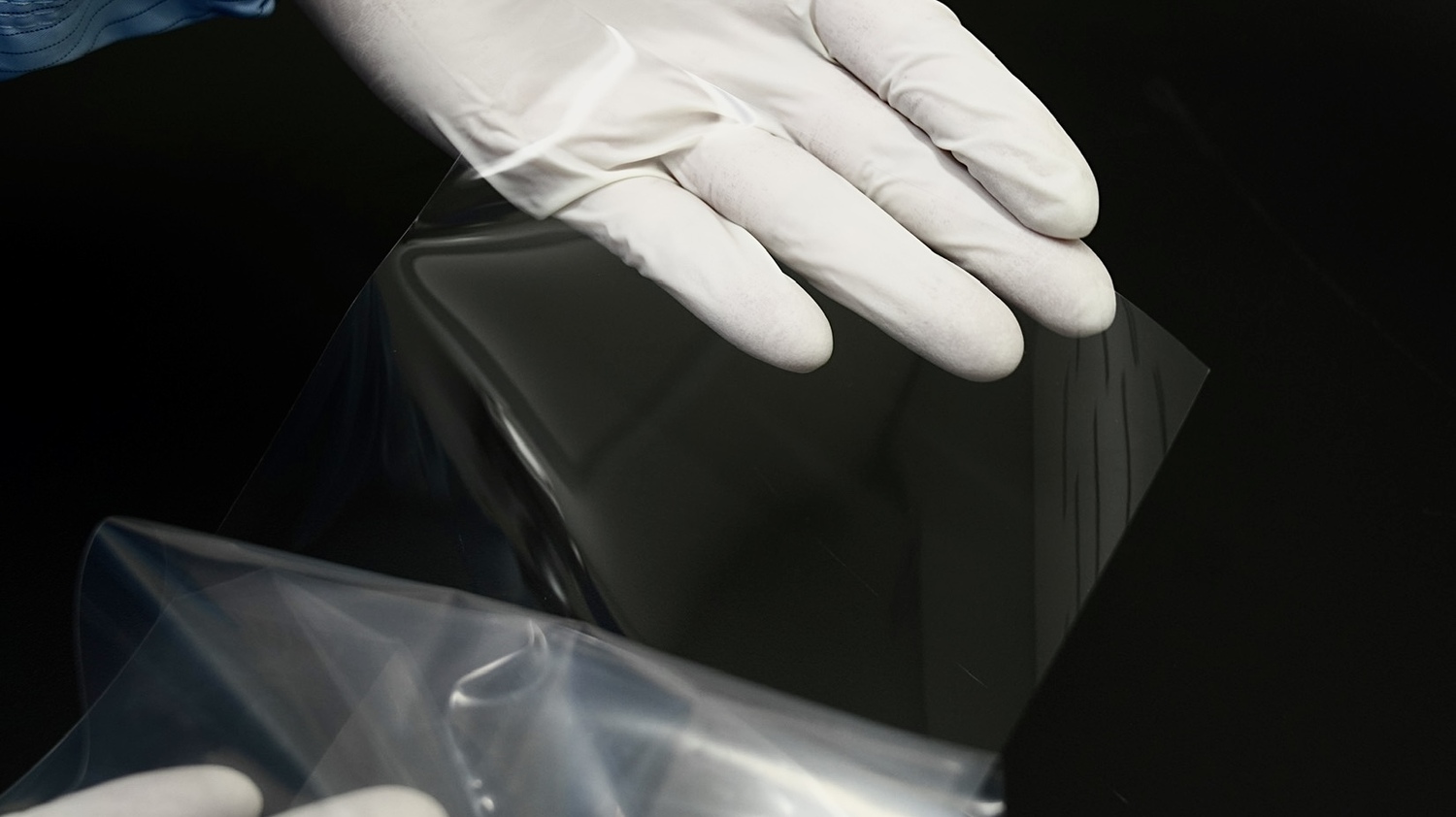
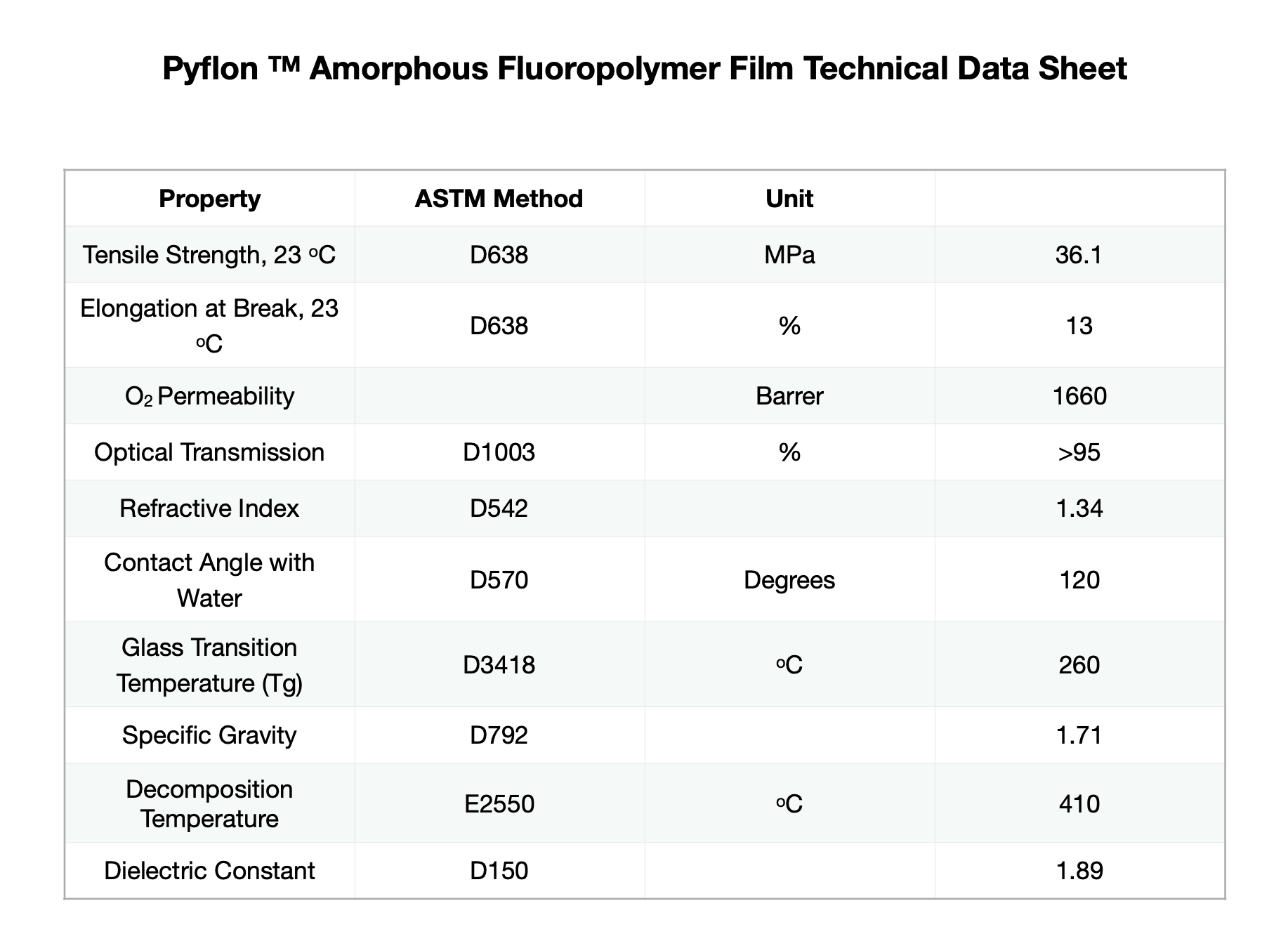
Unlike conventional release films made from FEP or PFA, our proprietary amorphous fluoropolymer films offer superior permeability, mechanical robustness, optical clarity, and thermal stability. This breakthrough allows for industrial-grade high-speed printing with outstanding reliability.
Custom sizes and thicknesses Standard: A4 (300 × 210 mm) and A5 (210 × 150 mm) at 100 µm; scalable to 700 × 350 mm.
First in China – We are the first company in China to achieve industrial-scale mass production of continuous 3D printing windows, backed by independent IP.
Superior performance – Optical transmittance equivalent to imported high-end films, with higher oxygen permeability and thermal resistance.
Cost-effective – Thanks to our outstanding supply chain management and cutting-edge material technologies, our films deliver better performance at significantly lower cost, with stable large-scale supply.
Applications
Our products are already trusted by leading domestic and international customers across industries, including:
- Digital dentistry
- Jewelry & accessories
- Footwear design
- Toy figurines
- Micro/nano printing
- Industrial prototyping
As the core component of continuous high-speed 3D printing systems, our films empower customers to achieve greater productivity, precision, and value in advanced manufacturing.
Advantage
Lightning-Fast Peeling: Ultra-low adhesion surface reduces separation force by 70%, enabling seamless layer detachment in under 0.5 seconds—perfect for high-volume production runs.
Unmatched Durability: Engineered with proprietary fluorocarbon composites, our films withstand over 5,000 hours of continuous exposure to UV light and aggressive resins, minimizing replacements and downtime.
Superior Oxygen Permeability: Optimized microporous structure delivers precise oxygen diffusion (up to 1600 Barrer), ensuring a stable inhibition layer for flawless bottom-up printing every time.
Crystal-Clear Transparency: 99% light transmission rate preserves resolution down to 25 microns, capturing intricate geometries with photorealistic fidelity.
Eco-Conscious Design: Recyclable and free from PFAS additives, Fluorokey aligns with sustainable manufacturing—reducing waste while boosting your green credentials.
Application
1. Advanced 3D Printing
Pyflon™ films offer exceptional UV
transparency, chemical inertness, and non-stick surface energy, making
them the ideal interface film for high-resolution photopolymerization
and resin-based 3D printing systems. Their high purity and dimensional
stability ensure defect-free curing and long-term durability even under
repeated thermal and optical cycling.
2. Degassing and Vapor Management
With precisely tunable gas permeability and selectivity, Pyflon™
enables controlled venting of dissolved gases and organic vapors in
critical systems. These films can act as degassing membranes in
photoresist processing, semiconductor coating lines, and microfluidic
systems, maintaining vacuum integrity while preventing moisture or
oxygen intrusion.
3. Optical and Sensor Windows
The
material’s broadband optical transmission (UV–IR) and chemical
resistance make Pyflon™ suitable for spectroscopic sensors, gas
analyzers, and vacuum viewports. Its amorphous structure ensures
consistent refractive index and low birefringence, essential for
precision optical measurements and laser systems.
4. Environmental and Energy Systems
Pyflon™ films exhibit stable performance in corrosive gas environments,
fuel cells, and membrane reactors, providing both barrier and transport
functionalities. Their intrinsic PFAS-free composition and non-leaching
chemistry support sustainable development in green hydrogen, carbon
capture, and advanced battery systems.
Document


 Your location:
Home
>
products
>
Specialized Gas-Permeable Window
>
Specialized Gas-Permeable Window
Your location:
Home
>
products
>
Specialized Gas-Permeable Window
>
Specialized Gas-Permeable Window