

Land pollution, a major facet of environmental degradation, has far-reaching consequences for ecosystems, human health, and biodiversity. While often overshadowed by air and water pollution, land pollution poses a significant threat to the delicate balance of our planet's ecosystems. This article delves into the drivers of land pollution, the effects it has on the environment, and what measures can be taken to mitigate its devastating impacts.
Land pollution, also known as soil pollution, is the contamination of the Earth's land surfaces with harmful substances. These pollutants can take many forms, including chemicals, heavy metals, solid waste, and even radioactive materials. These contaminants disrupt the natural composition of the soil, leading to a wide range of ecological problems. The primary drivers of land pollution are as follows:
Industries, in their quest for increased productivity and profit, often release hazardous substances into the environment. These may include heavy metals, chemicals, and organic pollutants. Improper disposal of industrial waste is a significant contributor to land pollution, as it infiltrates the soil and affects both terrestrial and aquatic ecosystems.
Modern agriculture relies heavily on the use of pesticides, herbicides, and fertilizers to increase crop yields. While these chemicals are beneficial for food production, their excessive and careless use can lead to soil contamination. Pesticides and fertilizers can leach into the ground, affecting not only soil quality but also nearby water bodies.
Improper disposal of household and municipal waste, including plastics, electronic waste, and hazardous materials, plays a crucial role in land pollution. Landfills and dumpsites often lack the necessary infrastructure and management to prevent leakage and soil contamination. Over time, these pollutants can seep into groundwater and harm ecosystems.
The rapid expansion of cities and urban infrastructure leads to soil compaction and contamination. Construction activities generate dust, noise, and various pollutants, such as cement, oil, and chemicals, which can infiltrate the soil and alter its composition.
Deforestation disrupts natural ecosystems, causing soil erosion and degradation. The removal of trees and vegetation exposes the soil to erosion, leading to landslides and the loss of fertile topsoil. These activities, in turn, contribute to the causes of land pollution.
The consequences of land pollution are profound, affecting both the environment and human well-being:
Ecological Impacts: Land pollution can disrupt ecosystems and harm wildlife. It alters soil pH levels, reduces fertility, and can lead to the extinction of certain plant and animal species. The accumulation of toxins in the soil also impacts the food chain, causing a ripple effect throughout the ecosystem.
Water Contamination: Polluted soil often leads to groundwater contamination, which can affect drinking water sources. Contaminants in the soil can leach into rivers, lakes, and oceans, harming aquatic life and ecosystems.
Human Health Risks: Exposure to polluted soil can lead to various health problems, including respiratory issues, skin diseases, and even cancer. Children are particularly vulnerable, as they may ingest or come into direct contact with contaminated soil while playing.
Economic Costs: Land pollution imposes substantial economic costs, including the cleanup of contaminated sites, reduced agricultural productivity, and increased healthcare expenses due to health issues caused by exposure to polluted soil.
Addressing land pollution requires concerted efforts at various levels, from individual actions to government policies:
Reduce, Reuse, Recycle: Minimizing waste generation and promoting recycling and responsible disposal of waste can significantly reduce land pollution.
Sustainable Agriculture: Implementing sustainable farming practices, such as organic farming, crop rotation, and reduced pesticide use, can help prevent soil contamination.
Proper Waste Management: Improved waste disposal methods, including recycling programs and safe disposal facilities, are essential to curb land pollution.
Handheld soil analysis instruments play a crucial role in mitigating the issue of lead contamination in soil. These devices combine advanced technology with portability, making them powerful tools for monitoring, detecting, and managing lead pollution. Here are several ways in which handheld soil analysis instruments help address lead contamination in soil:
Real-time Detection: Handheld soil analysis instruments provide nearly instant detection results, allowing you to obtain on-site information about lead levels in the soil. This helps quickly identify contaminated areas and take urgent measures to reduce exposure risks.
Accuracy and Precision: Modern handheld soil analysis instruments feature highly accurate sensors and equipment that can measure lead content in the soil in very small measurement units. This ensures data precision for taking necessary actions.
Portability: These instruments are lightweight and easy to carry, enabling users to perform tests at different locations. This is particularly important for soil monitoring over large areas, especially in urban environments where lead contamination risks may vary due to different factors.
Monitoring and Tracking: Handheld soil analysis instruments can be used to monitor changes in lead content in the soil over time. This helps identify lead sources and understand trends in lead contamination, thus facilitating long-term management and remediation efforts.
Decision Support: By providing timely and accurate data, these instruments offer support to government agencies, environmental organizations, and individual decision-makers. They can take appropriate actions based on the data, such as guiding soil remediation work, formulating policies, or regulations to reduce lead exposure risks.
Cost-Effectiveness: Compared to traditional laboratory analyses, handheld soil analysis instruments are often more cost-effective. This makes them more accessible to a broader range of people and organizations, enhancing the feasibility of monitoring and analysis.
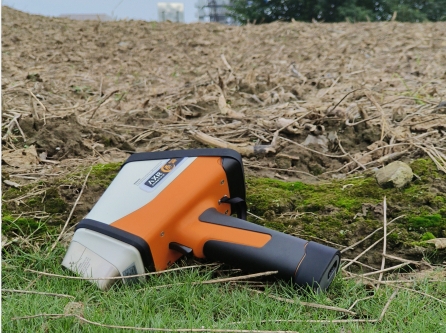
In summery, AXR Terra600 Series Handheld Soil Analyzer is an important tool for soil and sediment screening. It can detect hazardous heavy metals within seconds. Using AXR Terra600 for on-site rapid soil screening significantly reduces the number of samples that need to send to laboratory for analysis, reducing analysis costs and analysis time. And soil treatment and remediation costs can be minimized by rapidly screening and delineating contaminated areas and identifying remediation areas on-site.
Pollution Control Regulations: Governments must enact and enforce stringent environmental regulations that hold industries accountable for their waste management and emissions.
Reforestation and Conservation: Efforts to restore ecosystems, prevent deforestation, and promote sustainable land use are crucial for mitigating land pollution.
Land pollution is an urgent environmental issue that threatens the integrity of our ecosystems, human health, and global biodiversity. Understanding the drivers of land pollution and its far-reaching effects is the first step toward finding solutions. By adopting sustainable practices and supporting effective policies, we can minimize land pollution and protect the Earth's land resources for future generations. It is our collective responsibility to address this issue and ensure a healthier, more sustainable planet.
 Your location: