

For centuries, silver has been a prized metal known for its beauty, rarity, and value. Whether in the form of coins, jewelry, or industrial components, the accurate testing of silver's purity has always been crucial. In the past, this task was often laborious and time-consuming. However, the evolution of silver tester machine has revolutionized the way silver is tested, making the process faster, more accurate, and accessible. In this article, we will explore the fascinating journey of silver testing and the modern innovations that have transformed it.
Before the advent of modern technology, testing silver purity was a complex and sometimes unreliable process. Methods included acid tests, touchstone assays, and even the use of nitric acid to determine the metal's authenticity. These techniques required considerable expertise and often resulted in inaccuracies.
The first significant leap in silver testing technology came with the development of X-ray fluorescence (XRF) analyzers. These machines used X-ray radiation to excite the atoms in the sample, causing them to emit characteristic X-ray fluorescence. By analyzing the emitted X-rays, these devices could determine the precise composition of the tested material, including its silver content. XRF analyzers greatly improved the accuracy and speed of silver testing, reducing the margin for error.
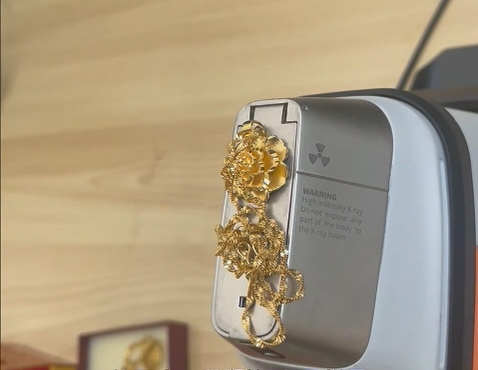
The Terra 990 handheld XRF element analyzer can accurately detect the content of precious metal elements in jewelry, and can be used as an on-site analysis tool for precious metal jewelry quality control, identification and trading. At the same time, Terra 990 can also provide customers with scientific pricing basis in the production, sales and recycling of precious metal jewelry. AXR AURORA Benchtop Gold analyzer offers a rapid and remarkably precise method for assessing karat or gold content, serving quality control, pricing, and practical utilization needs. It empowers users to conduct an immediate, cost-efficient, and entirely nondestructive examination to ascertain gold content and authenticate alloy composition.
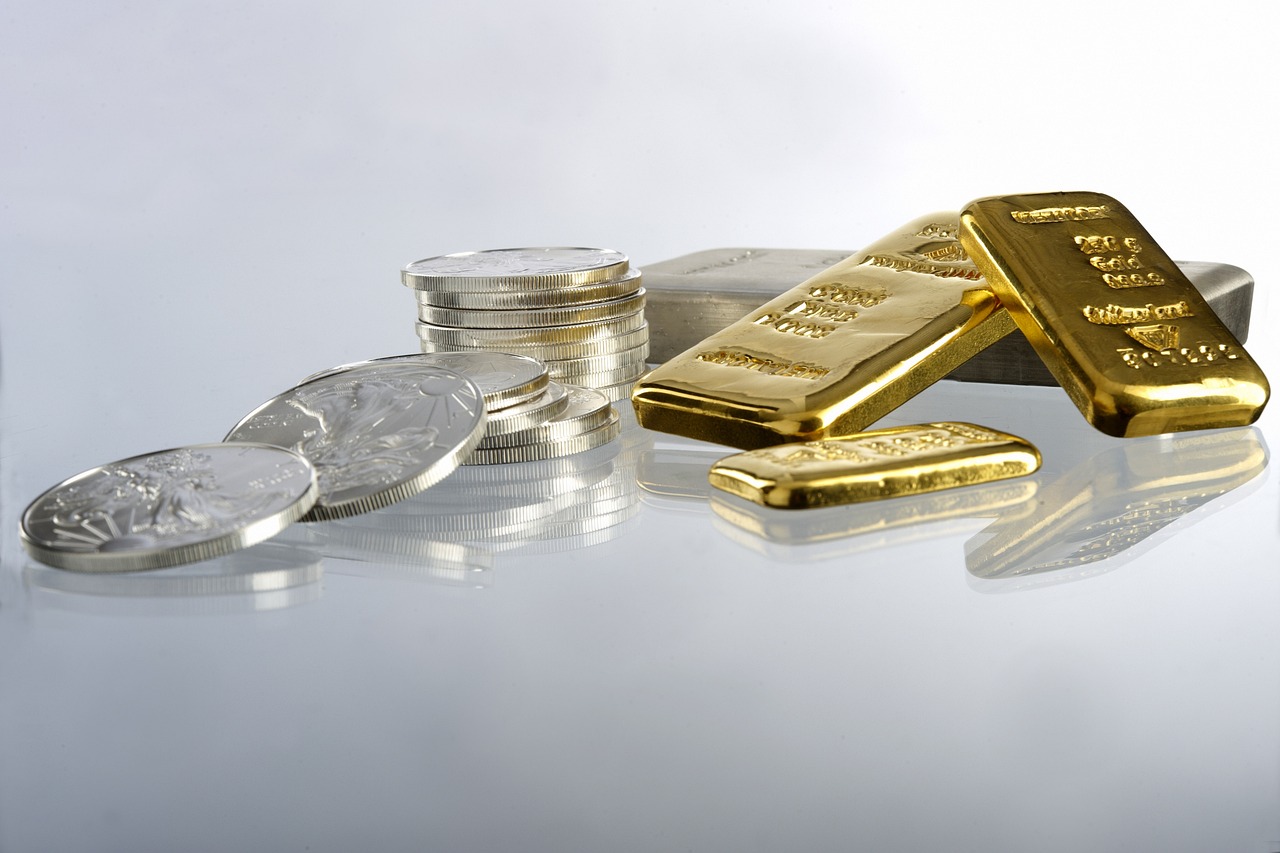
While early XRF analyzers were bulky and expensive, technological advancements led to the creation of portable XRF silver testers. These handheld devices allowed for on-the-spot testing, making them invaluable to jewelry appraisers, pawn shops, and bullion traders. With these portable testers, one could assess silver purity without the need to send samples to a laboratory, saving time and costs.
In recent years, another innovation in silver testing has emerged in the form of Laser-Induced Breakdown Spectroscopy (LIBS). This technology uses a high-energy laser to vaporize a tiny portion of the sample, creating a plasma that emits light at specific wavelengths. By analyzing this emitted light, LIBS testers can determine the composition of the material being tested, including silver content. LIBS offers rapid results and high accuracy, making it a valuable tool for various applications, including archaeological artifact analysis.
One of the most significant advancements in modern silver tester machines is their non-destructive nature. Unlike historical methods that often required destructive testing, today's machines can analyze silver without damaging or altering the tested item. This is especially important when dealing with precious antiques, collectibles, or heirlooms.
Modern silver testers are equipped with user-friendly digital interfaces that provide clear results and easy-to-understand data. Additionally, many of these machines store test data, allowing for traceability and record-keeping, which can be crucial for quality control and certification processes.
The evolution of silver testing from ancient and laborious methods to modern, sophisticated machines has greatly improved the efficiency and accuracy of assessing silver purity. Innovations like XRF analyzers, portable testers, LIBS technology, and non-destructive testing have made it easier than ever to determine the authenticity and quality of silver items. As technology continues to advance, the future of silver testing holds the promise of even more precise and accessible methods, ensuring the continued appreciation and utilization of this valuable metal across various industries.
 Your location: