

In the world of materials analysis and quality control, the advent of portable X-ray fluorescence (XRF) instruments has revolutionized the way industries detect and ensure the integrity of a wide range of materials. In the field of materials analysis, portability and convenience become critical. Portable X-ray fluorescence (XRF) instruments have become powerful tools that have revolutionized the way we analyze and understand different materials. These handheld devices offer a range of advantages, including rapid analysis, on-site measurements and non-destructive testing. These handheld devices provide users with new levels of convenience and efficiency in analyzing samples on the go. In this article, we’ll take a closer look at the incredible convenience portable XRF machine bring to different industries.
Portable XRF instruments are compact and lightweight, allowing users to easily carry them to different locations. Whether in the lab, manufacturing plant, or in the field, these devices enable professionals to conduct real-time analysis without the need for cumbersome setup or transport of samples. Portable XRF instruments provide fast and accurate elemental analysis of a variety of materials. Whether analyzing metal alloys, soils, plastics or archaeological artifacts, these devices can quickly determine elemental composition without the need for complex sample preparation. In just a few seconds, you can obtain valuable information about the presence and concentration of elements, enabling instant decision-making.
One of the key advantages of portable XRF instruments is their ability to provide instant results. Traditional materials analysis methods often involve time-consuming processes, but with portable XRF, users can obtain accurate elemental composition data in seconds. This real-time feedback enables rapid decisions and adjustments in a variety of applications.
Portable XRF instruments have applications in a variety of industries, including mining, environmental science, archeology and metal processing. Whether identifying metal alloys, assessing soil composition or analyzing archaeological artifacts, these devices offer the versatility to meet the needs of different professional fields.
Traditional methods of material analysis may involve destructive testing, which may be impractical or unacceptable in some circumstances. However, portable XRF instruments offer non-destructive analysis, allowing users to collect valuable information without compromising sample integrity. This is particularly important in areas where materials need to be preserved in their original condition. In many applications, protecting the integrity of valuable or fragile samples is critical. Portable XRF instruments provide non-destructive testing, allowing you to analyze materials without causing damage. Whether it is a historical artifact, work of art or critical component, these devices are able to provide valuable information about the composition and authenticity of the material while maintaining the integrity of the sample.
Portable XRF instruments are designed with user convenience in mind and often have user-friendly interfaces. Professionals can quickly learn to operate these devices, increasing accessibility and democratizing the benefits of advanced materials analysis. There is no longer a need to send samples to a laboratory for analysis. Portable XRF instruments bring the laboratory to the field for on-site measurements. This capability is particularly important in industries such as mining, environmental monitoring and construction, where real-time data is critical for decision-making. Whether assessing the quality of building materials or performing in-situ soil analysis, portable XRF instruments provide instant results, saving time and resources.
Investing in a portable XRF instrument can be an affordable solution for industries that require frequent material analysis. The efficiency, speed and versatility of these devices combine to contribute to overall cost savings and reduce the need to outsource analysis to external laboratories. Portable XRF instruments are designed to be easy to use and versatile. They often come with intuitive interfaces and require minimal training to operate efficiently. These devices can analyze a variety of materials, including metals, minerals, ceramics, plastics, and more. By switching between different measurement modes, such as block analysis, small spot analysis or mapping, portable XRF instruments provide the flexibility to adapt to various analysis needs.
Many industries must adhere to strict regulatory standards to ensure the quality and composition of materials. Portable XRF instruments are designed to meet these standards, providing accurate and reliable data to help comply with regulations. This adaptability ensures professionals can use these devices with confidence in their field. Portable XRF instruments excel in industries that require regulatory compliance and quality control. They can help ensure materials and products comply with specific standards and regulations, minimizing the risk of non-compliance. With their accurate quantitative analysis capabilities, these devices enable manufacturers to verify the composition of raw materials, monitor the quality of finished products, and ensure consistency in the production process.
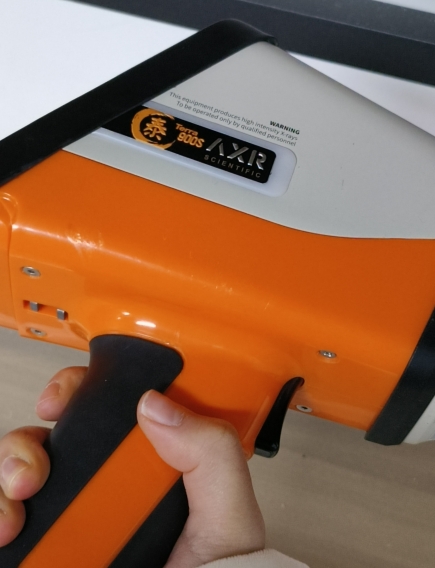
In today's highly competitive market environment, the Terra 900S handheld XRF mineral analyzer is a leading and portable elemental analysis instrument. As the requirements for accuracy and speed of material analysis in the industrial field continue to increase, the Terra 900S handheld XRF mineral analyzer has become an ideal tool to solve this problem and has been widely used in the mining industry. The Terra 900S handheld XRF mineral analyzer uses advanced electronic technology and unique software algorithms to complete composition analysis and display elemental content in seconds. Users only need simple training to operate the instrument easily. The device is not limited by location, sample shape and size, and does not require sample preparation. This makes the Terra 900S handheld XRF mineral analyzer a powerful tool for elemental analysis in the fields of quality control, component identification, material classification, safety precautions and other fields. The Terra 900S handheld XRF mineral analyzer has higher accuracy and faster response time, which can effectively improve production efficiency and save detection costs. In addition, the device is durable, easy to use and maintain. It can work outdoors and in harsh environments and is a powerful assistant for mining workers, engineers and scientists.
Portable XRF instruments bring a new era of convenience and efficiency in materials analysis. Through rapid elemental analysis, on-site measurements, non-destructive testing capabilities, versatility and ease of use, these devices have become indispensable tools in various industries. They enable professionals to make informed decisions quickly, reduce downtime, improve quality control, and increase overall productivity. The convenience of portable XRF instruments has revolutionized the field of materials analysis, putting the power of advanced technology directly into the hands of professionals. From rapid on-site analysis to affordable solutions and non-destructive testing, these devices provide multifaceted benefits in a variety of industries. As technology continues to evolve, portable XRF instruments have demonstrated an ever-increasing ability to improve efficiency and accuracy in the field of materials science.
 Your location: