

In industries ranging from mining and exploration to manufacturing and environmental monitoring, the need for precise elemental analysis is paramount. Handheld X-ray Fluorescence (XRF) guns have emerged as invaluable tools for such applications, offering portability, speed, and versatility. However, as with any technology, the cost of these devices varies significantly. The burning question for many users is: how does a handheld XRF gun price align with its accuracy? Let's delve into this critical consideration.
Handheld X-ray fluorescence (XRF) technology is a fast, portable and non-destructive method of elemental analysis. This technique uses fluorescent X-rays produced when X-rays interact with a sample to determine the elemental composition of the sample. Handheld XRF equipment consists of an X-ray source, detector and data processing unit, giving it the ability to quickly acquire real-time data. Through simple operations, users can aim the handheld XRF device at the sample and trigger the X-ray source. The device then captures the fluorescent X-rays generated by the sample and analyzes them to determine the presence and concentration of various elements in the sample. Handheld XRF technology is widely used in mining exploration, geology, environmental monitoring, metal processing and other fields. Although handheld XRF technology has many advantages, such as portability, speed, and multi-element analysis capabilities, it also has some limitations, such as limited depth analysis capabilities and sample preparation requirements. With the continuous development of technology, handheld XRF technology will continue to provide efficient and reliable elemental analysis solutions for all walks of life.

Several factors influence the accuracy of handheld XRF analysis, including:
Calibration: The accuracy of XRF results heavily depends on the calibration of the device. Higher-end models often offer better calibration capabilities, resulting in more accurate readings.
Elemental Range: Different XRF guns are optimized for analyzing specific elemental ranges. Devices designed for a broader range of elements tend to be more expensive but offer greater versatility.
Detector Quality: The quality of the detector directly impacts the sensitivity and resolution of the device, affecting its ability to distinguish between elements accurately.
Software and Algorithms: Advanced algorithms and software can enhance the accuracy of XRF analysis by compensating for interferences and improving data processing.
While it's tempting to assume that higher-priced handheld XRF guns inherently offer superior accuracy, the reality is more nuanced. While premium models often come with advanced features and better calibration, mid-range devices can still deliver satisfactory accuracy for many applications.
Premium Models: High-end handheld XRF guns typically feature superior calibration, more extensive elemental coverage, and advanced software functionalities. These devices are ideal for demanding applications where precision is paramount, such as mineral exploration and quality control in manufacturing.
Mid-range Models: Mid-range XRF guns strike a balance between cost and performance. While they may lack some of the advanced features of premium models, they still offer respectable accuracy for routine analysis tasks in industries like environmental testing and alloy verification.
Budget Options: Budget-friendly handheld XRF guns are available for users with more modest requirements. While these devices may sacrifice some accuracy and features, they can still provide valuable insights for basic elemental analysis needs.
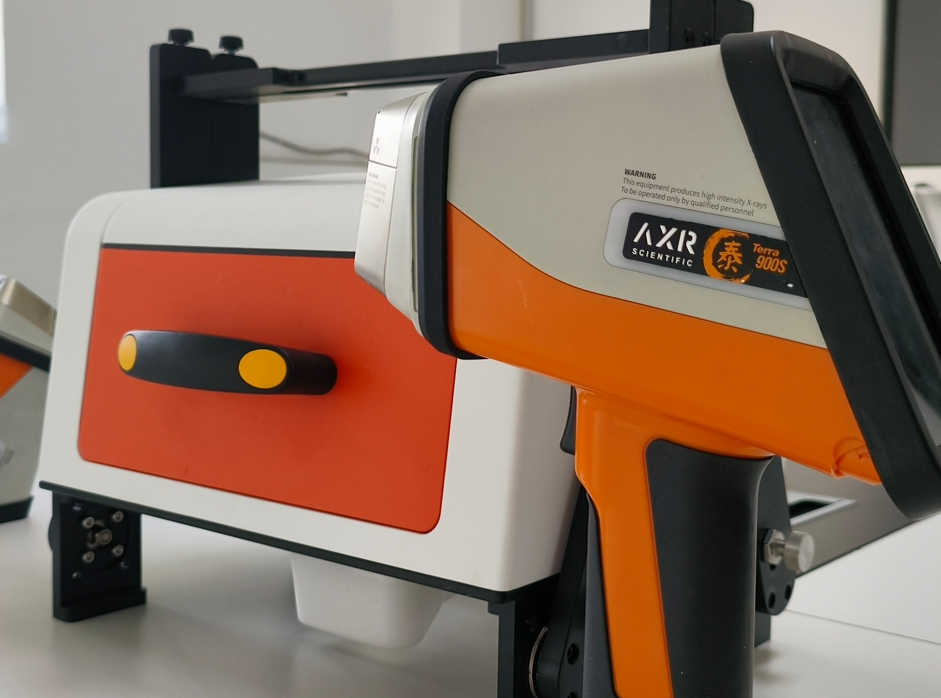
Choosing the right handheld X-ray fluorescence (XRF) gun is critical for professionals in many industries. These devices can quickly and accurately analyze the elemental composition of samples on site, thereby providing key data for mineral exploration, metal processing, environmental monitoring and other fields. However, there are a variety of different models and brands of handheld XRF guns on the market, so it is crucial to choose the right device for your specific application needs.
First, in order to choose a suitable handheld XRF gun, users should clarify their application requirements. This includes determining the type and range of elements to be analyzed, the type and morphology of the sample, and the analytical precision that needs to be achieved. For some specialized industries such as mineral exploration, equipment that covers a wider range of elements may be required, while other industries such as metal processing may be more concerned with accuracy and speed of analysis.
Secondly, users need to consider the performance characteristics of the device. Performance characteristics of handheld XRF guns include sensitivity, resolution, measurement range and accuracy. High-end models typically have higher sensitivity and resolution, as well as a wider range of elemental analysis, but come with a corresponding higher price. For some applications, such as fine metal analysis, these high-end capabilities may be necessary, but for others, a mid-range model may be sufficient.
In addition, the ease of operation and use of the equipment is also an important consideration. Users should choose equipment with simple operation and user-friendly interface to facilitate rapid sample analysis in the field. At the same time, the weight and portability of the device also need to be considered, especially for applications that require use in field environments.
In addition to the performance and operating characteristics of the device itself, users should also consider the vendor's support and service. A reliable supplier will provide timely technical support, training and after-sales service to ensure that users can fully utilize the functions and performance of the handheld XRF gun.
Finally, users also need to consider the overall cost of the device. This includes not only the initial cost of purchasing the equipment, but also the ongoing costs of maintenance, calibration and training of the equipment. Users should consider the performance, features and services of the equipment as well as the overall cost to select the handheld XRF gun that best suits their application needs.The Terra 900 series handheld alloy analyzer is an ideal tool for metal analysis in multiple fields such as quality control, grade identification, material classification, and safety precautions. Based on advanced electronic technology and unique software algorithms. The Terra 900 Series completes metal composition analysis in seconds and displays the alloy grade and elemental content on the touch screen. Users can operate the instrument proficiently with only simple training. Sample detection is not limited by location, sample shape and size, and does not require sample preparation.
In summary, choosing the right handheld XRF gun requires comprehensive consideration of factors such as application requirements, equipment performance, ease of operation, supplier support, and overall cost. By carefully analyzing and evaluating these factors, users can choose the handheld XRF gun that best suits their application needs, thereby improving work efficiency and data accuracy, and bringing greater value and success to their industries and projects.
The price of handheld XRF guns is closely linked to their accuracy and performance. While premium models offer top-tier calibration and advanced features, mid-range and budget options can still provide satisfactory accuracy for many applications. By carefully assessing your analytical requirements and evaluating available options, you can strike the right balance between cost and precision, ensuring that your investment in XRF technology yields optimal returns in terms of accurate elemental analysis.
 Your location: