

In the realm of materials analysis, precision and portability have often been at odds. Traditionally, obtaining detailed information about the composition of metals required bulky equipment, complex procedures, and specialized expertise. However, the landscape is rapidly evolving with the advent of handheld spectrometer for metal analysis. These pocket-sized powerhouses are revolutionizing the way industries ranging from manufacturing to archaeology approach elemental analysis. Let’s delve into the transformative potential of handheld spectrometers for metals and the burgeoning applications driving their rise.
The principles behind the handheld spectrometer involve spectroscopy. Spectroscopy is the science that studies the interaction of matter with electromagnetic radiation, and determines the composition and properties of matter by analyzing this interaction. Handheld spectrometers exploit this principle, but they are miniaturized and modernized with technological improvements that allow them to be carried lightly and perform real-time analysis in the field.
These devices are often based on photodiode (or photodetector) technology, which converts absorbed light into an electrical signal. Handheld spectrometers perform analysis by emitting light of specific wavelengths toward the surface of a sample and then measuring the spectral signal returned by the sample. Light sources commonly used by these devices include xenon lamps, LEDs or lasers, depending on the type of sample to be analyzed and the resolution required.
When light interacts with a sample, the sample absorbs, emits, or scatters light at specific wavelengths, which produces a characteristic signal called a spectrum. Handheld spectrometers measure and analyze these signals, then match the spectral signals to known substances using pre-stored databases or built-in algorithms to determine the composition and properties of the sample.
In metal applications, handheld spectrometers can be used to analyze the composition of metal alloys. By measuring the spectral signals reflected or emitted by the sample surface, these devices can determine the content of various elements in metal alloys, thereby helping users confirm the quality of metal materials, verify their compliance and perform quality control. Because these devices are small and portable, analysis can be performed quickly in the field, in the laboratory, or on the production line, greatly improving work efficiency and accuracy.
In general, the scientific principle of the handheld spectrometer is based on the spectroscopic principle of the interaction between light and matter, combined with advanced photodetector technology and data analysis algorithms, providing users with a fast, convenient and accurate method to analyze materials. Analysis and Quality Control.

The primary allure of handheld spectrometers lies in their portability. Gone are the days of transporting samples to centralized laboratories or relying on cumbersome equipment. With handheld devices, users can perform real-time analysis directly at the point of interest, whether it’s a manufacturing facility, a construction site, or an archaeological dig. This portability not only saves time but also enhances efficiency and flexibility in decision-making processes.
The versatility of handheld spectrometers has catalyzed their adoption across a multitude of industries:
Manufacturing: In the manufacturing sector, these devices streamline quality control processes by swiftly identifying metal alloys and ensuring compliance with specifications. From automotive to aerospace industries, handheld spectrometers play a pivotal role in maintaining product integrity and safety.
Mining and Exploration: For geologists and mining professionals, handheld spectrometers offer invaluable insights into the elemental composition of ores, facilitating prospecting and resource estimation. The ability to conduct in-situ analysis reduces sampling costs and expedites decision-making in exploration endeavors.
Environmental Monitoring: Handheld spectrometers aid environmental scientists in monitoring metal contamination levels in soil, water, and air. Whether assessing pollution in urban environments or monitoring remediation efforts, these devices provide rapid and accurate analysis critical for safeguarding ecological health.
Archaeology and Cultural Heritage Preservation: Archaeologists utilize handheld spectrometers to analyze metal artifacts, deciphering their composition and origin. This technology aids in dating artifacts, identifying forgeries, and informing conservation efforts, thereby enriching our understanding of human history and cultural heritage.
One specific application of handheld spectrometers in metals is alloy analysis and quality control in manufacturing. During the manufacturing process, it is crucial to ensure that the correct metal alloy is used, as the composition of the alloy directly affects the performance and quality of the product. Traditionally, alloy analysis often required samples to be sent to a laboratory for testing, which was time-consuming and delayed the production process.
However, with handheld spectrometers, manufacturers can perform alloy analysis in the field in real time to quickly and accurately determine the composition of a metal alloy. The operator only needs to point the spectrometer at the sample surface, trigger the instrument to scan, and immediately obtain the elemental composition data of the sample. This allows alloy formulations to be adjusted on the fly during the manufacturing process to ensure the product meets specifications.
In addition, handheld spectrometers can be used to verify the quality of raw materials and conduct inbound inspections. By inspecting incoming metal materials, manufacturers can ensure they meet the expected chemical composition, thereby avoiding defects during production and improving product quality and customer satisfaction.
Therefore, the specific application of handheld spectrometers in manufacturing provides manufacturers with a fast, convenient and accurate method for alloy analysis and quality control, thereby improving production efficiency and ensuring product quality.
Despite their myriad benefits, handheld spectrometers are not without challenges. Ensuring accuracy across diverse sample types, addressing limitations in detection sensitivity, and minimizing spectral interferences remain ongoing areas of research and development. Moreover, accessibility to these advanced technologies in resource-constrained settings poses a significant hurdle, necessitating efforts to enhance affordability and user-friendliness.
As technological advancements continue to propel the field forward, the future of handheld spectrometers for metals appears promising. Innovations such as enhanced detection capabilities, improved data processing algorithms, and integration with cloud-based platforms hold the potential to further expand their utility and accessibility. Moreover, interdisciplinary collaborations between scientists, engineers, and industry stakeholders will be instrumental in harnessing the full potential of these pocket-sized analytical tools.
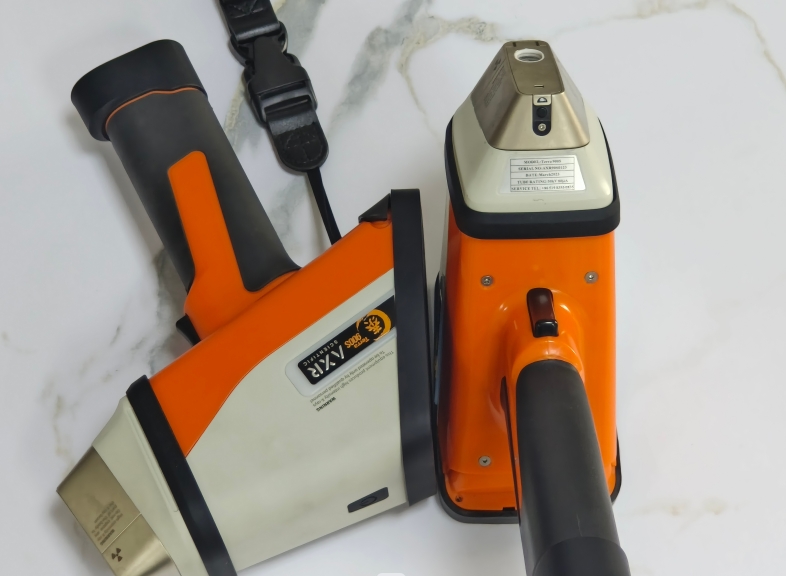
Portable Spectrometer for metal analysis such as AXR Terra series Handheld XRF Analyzers are good choice for analysis in many fields, delivering rapid, accurate results right in your hand. It is the ideal solution for checking and analyzing alloy, precious metals, coating thickness, soil, lithium battery etc. anytime anywhere with a fast and a non destructive way. Take scrap sorting as an example, The AXR Scientific Terra900 Handheld Alloy Analyzer can detect the composition and concentration of scrap metal purchased on site, and can sort out accurate metal grades to improve the utilization rate of scrap metal.AXR Scientific Terra900 portable alloy Analyzer or handheld xrf gun provides maximum efficiency in the analysis and sorting of metal alloys. Due to its speed, non-destructive nature and minimal requirements for sample preparation, because XRF is more versatile and convenient than the optical emission method.The FP method is applicable to all existing types of alloys, which makes it indispensable in metallurgy, foundry, mechanical engineering and other areas.Fast and onsite analysis of the composition of alloys is carried out when scrap yard performing the following works, which is not only involves in the scrap yards but also the buyer of the scrap and foundry and metal factories.
The rise of handheld spectrometers represents a paradigm shift in materials analysis, empowering users with the ability to unravel the elemental composition of metals with unprecedented ease and efficiency. From manufacturing to archaeology, the applications of these pocket-sized powerhouses are vast and diverse, promising to reshape industries and accelerate scientific discoveries. As technology continues to evolve, so too will the capabilities of handheld spectrometers, solidifying their status as indispensable tools in the pursuit of knowledge and innovation.
 Your location: